Singapore-generated renewable electricity
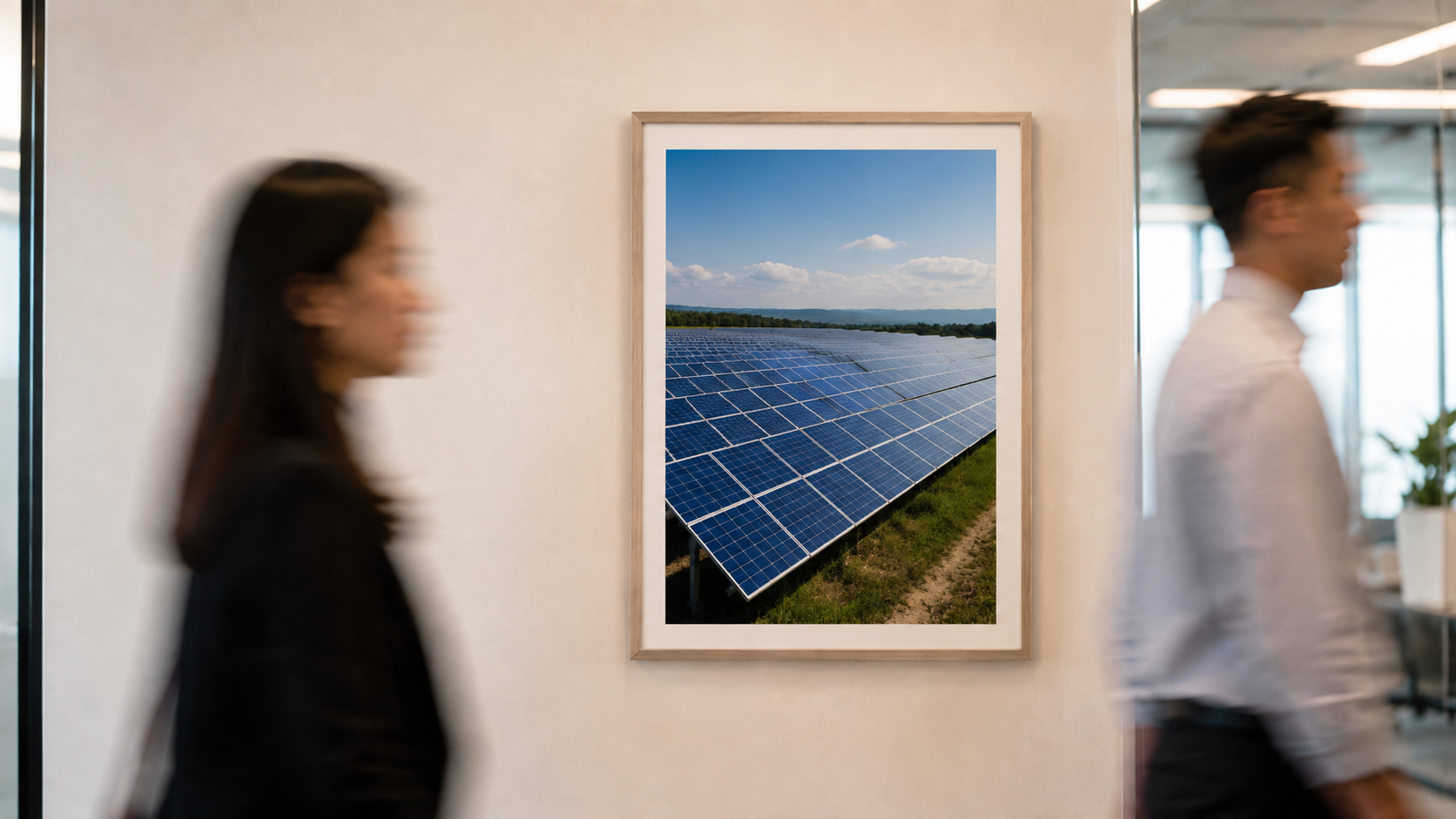
Access renewable electricity generated from Peak Energy’s operating Singapore solar portfolio. This gives your company a clearer link between Singapore operations and Singapore-based renewable generation.
Trusted by leading manufacturers in Asia


A Virtual Power Purchase Agreement, or VPPA, is a long-term contract that gives your company access to renewable electricity from a specific solar portfolio, without installing panels on your own site.
Your company keeps buying electricity from its existing retailer. Peak Energy owns and operates the solar assets. The VPPA sits alongside your existing electricity supply contract and gives you the commercial and reporting benefits of renewable electricity generated by Peak’s Singapore solar portfolio.
The associated Renewable Energy Certificates, or RECs, are transferred to your company

At the same time, demand for credible local renewable coverage is increasing. Data centers, manufacturers, logistics operators, pharmaceutical companies, and other large electricity users are competing for limited local renewable supply.
Electricity prices remain exposed to gas markets, fuel-price volatility, and regional energy disruption. Middle East conflict risk adds further pressure to import-dependent Asian energy markets.
For companies with Singapore operations, relying only on short-term electricity procurement or imported RECs may become harder to defend with customers, bankers auditors, and global HQ. Waiting until the next reporting cycle may reduce optionality.
What Peak Energy offers
Access renewable electricity generated from Peak Energy’s operating Singapore solar portfolio. This gives your company a clearer link between Singapore operations and Singapore-based renewable generation.
Receive Renewable Energy Certificates associated with the electricity generated by Peak’s Singapore solar assets. These certificates help support renewable electricity and Scope 2 reporting claims.
Your company does not need to install panels, provide roof space, own equipment, or manage operations and maintenance. Peak Energy owns and operates the solar assets.
Companies with high electricity consumption, customer decarbonization requirements, and limited room to absorb power price volatility.
Operators facing high load growth, Scope 2 scrutiny, and competition for credible renewable electricity coverage in Singapore.
Export-oriented companies under pressure from global customers, supply-chain reporting requirements, and energy cost exposure.
Operators with constant electricity demand and direct margin exposure to power price movements.
Companies with audit-heavy procurement processes, global reporting standards, and long-term operational planning needs.
A Virtual Power Purchase Agreement, or VPPA, is a long-term contract that allows a company to support and receive the benefits of renewable electricity from a specific solar portfolio without installing panels onsite. The company continues to buy physical electricity from its retailer, while the VPPA provides a financial structure linked to renewable generation and transfers the associated RECs for reporting.
A Renewable Energy Certificate, or REC, is the certificate that proves one megawatt-hour of renewable electricity has been generated. Companies use RECs to support renewable electricity and Scope 2 reporting claims. The location and quality of the REC matter, especially when customers, auditors, or global HQ review whether renewable electricity claims are credible.
Singapore-generated RECs are linked to local renewable generation, not renewable electricity produced in another market. For companies with Singapore operations, local RECs can be more relevant when customers, auditors, or global HQ review Scope 2 reporting claims and whether renewable electricity claims are credible.
Imported RECs are generated from renewable electricity produced in another market. With GHG Protocol reform, Singapore-local RECs can be defensible when customers, auditors, or global HQ review your Scope 2 reporting.
No. Peak Energy owns and operates the solar assets. The company does not need to install, own, or operate solar panels. The VPPA provides a financial structure linked to renewable generation and transfers the associated RECs to the buyer for reporting.
No. The company continues to buy physical electricity from its retailer. The VPPA creates a financial arrangement linked to renewable generation from Peak Energy's Singapore solar portfolio and transfers the associated RECs to the buyer.
Singapore-local renewable electricity supply is limited. Data centers are increasing demand for credible renewable electricity and RECs. Companies waiting until 2027 or 2028 may face tighter availability and less negotiating power. A VPPA is a forward procurement decision that finance and procurement teams can model and approve now.
Peak Energy can provide an initial view on available volume, indicative tenor options, commercial structure, REC treatment, and contracting timeline based on your company's procurement requirements and target year.
Peak Energy will request information on annual electricity consumption in Singapore, current electricity and REC procurement approach.
Yes. Manufacturing companies and data centers with high electricity load face procurement risk, Scope 2 reporting requirements, and customer or export-market scrutiny. Peak Energy's VPPA structure is designed for finance, procurement, legal, and sustainability teams to review together.