.png?width=300&height=95&name=Peak_Energy_WHITE_in_line_logo-removebg-preview%20(1).png)
For an industrial group operating across Asia Pacific, a PPA can bring more visibility to electricity costs. Yet the quoted tariff tells only part of the story. A factory's demand profile, the route by which power reaches it, and the treatment of environmental attributes all affect the economics of a long-term commitment.
Peak Energy develops, finances, builds, owns and operates renewable energy assets across the region. The starting point for a financial review is therefore the buyer's sites and obligations, not a preferred contract label.
Why does the PPA structure change the financial case?
An onsite PPA supplies generation at the facility. A physical offsite PPA depends on a route for electricity to reach the buyer through the grid. A virtual PPA generally settles a difference between a contracted price and a market reference price; the buyer continues to procure electricity for its facilities separately.
These models expose the buyer to different costs and risks. Compare the total delivered cost and cash flows, rather than the PPA price in isolation. Availability and contractual treatment vary by market, so a model that works for one factory cannot simply be copied across a regional portfolio.
How much demand can onsite generation actually serve?
Usable roof or land area is the first constraint. The next is timing: production from an onsite solar installation may not coincide with a plant's evening or overnight load. Request an hourly or suitably granular comparison of expected generation and electricity demand, together with the assumptions behind it.
Then calculate the electricity that the site will still buy from the grid and test the budget against plausible tariff scenarios. If onsite supply covers only part of demand, an offsite arrangement could be assessed for the balance where local rules permit it. The two need not be competing choices.
For an onsite project, Peak Energy can fund installation and remain responsible for operations and maintenance throughout the contract. The scope and allocation of those responsibilities should be clear in the agreement.
What changes when power comes from an offsite project?
For a physical offsite PPA, verify that delivery through the grid is permitted in the relevant market. Ask for the full route from generator to site, including the parties involved and any grid, retail or delivery charges. A generation price alone does not establish the cost of electricity at the factory meter.
For a virtual PPA, examine the settlement reference price and what happens if market prices move below or above the contracted price. Model adverse as well as favourable outcomes, alongside the buyer's separate electricity purchases. A VPPA is not automatically the answer for a multisite group; its financial and reporting fit must be checked for each market.
Which contract terms belong in the CFO's review?
Request a year-by-year view of the contract price, including any escalation formula, and compare it with a documented grid-price scenario. Check the volume commitments against realistic consumption and generation forecasts. Identify who carries the cost if a site closes, demand falls, generation is curtailed or delivery is interrupted.
Review change-of-law, termination and counterparty provisions with legal and treasury teams. The aim is not to eliminate every uncertainty, but to know which party carries it and how it affects cash flow throughout the contract.
Will the certificates support the intended Scope 2 claim?
Ask which environmental attributes transfer with the PPA, who owns them and how they will be issued and retired. A contract for electricity does not, by itself, establish a market-based Scope 2 claim. The GHG Protocol Scope 2 Guidance sets quality criteria for contractual instruments used in market-based accounting.
Have the sustainability and assurance teams verify the applicable criteria and local rules for each reporting entity. If the PPA and the electricity consumption sit in different markets, assess certificate eligibility before including a projected Scope 2 benefit in the investment case.
What should be on the table before approval?
A decision-ready proposal should compare the realistic onsite, physical offsite and virtual options for each relevant site. It should show expected production against load, remaining grid purchases, all-in costs, stress-tested settlements where relevant, certificate rights and material contractual risks.
Building that proposal starts with understanding which options are feasible for your operations. This is where a discussion with a developer can help connect the financial questions to the practical constraints of your sites and markets.
Assess your PPA options with Peak Energy
Peak Energy develops, finances, builds, owns and operates renewable energy projects across Asia Pacific, offering onsite, offsite and virtual PPA structures. Our involvement extends beyond contract signature: for onsite projects, we fund installation and manage operations and maintenance throughout the contract term.
-2.jpeg?width=2000&height=1500&name=shared%20image%20(1)-2.jpeg)
|
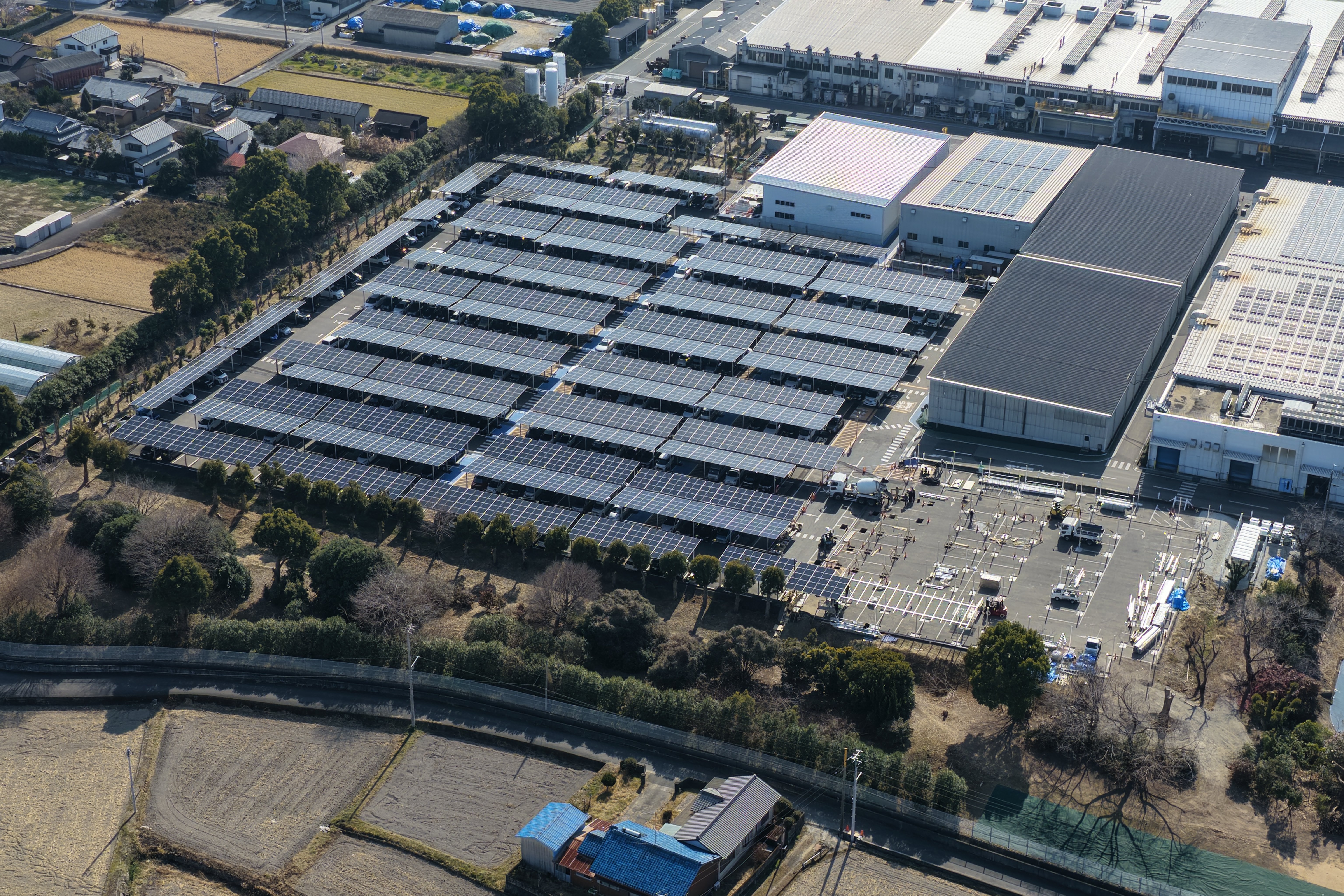
Peak Energy’s solar carport project for JTEKT in Japan (Toyota Group): 40% lower electricity costs compared with grid power. |
Onsite solar installation project at the Singapore Institute of Management (SIM): solar electricity rates 63% lower than SIM’s prevailing electricity prices. |
|
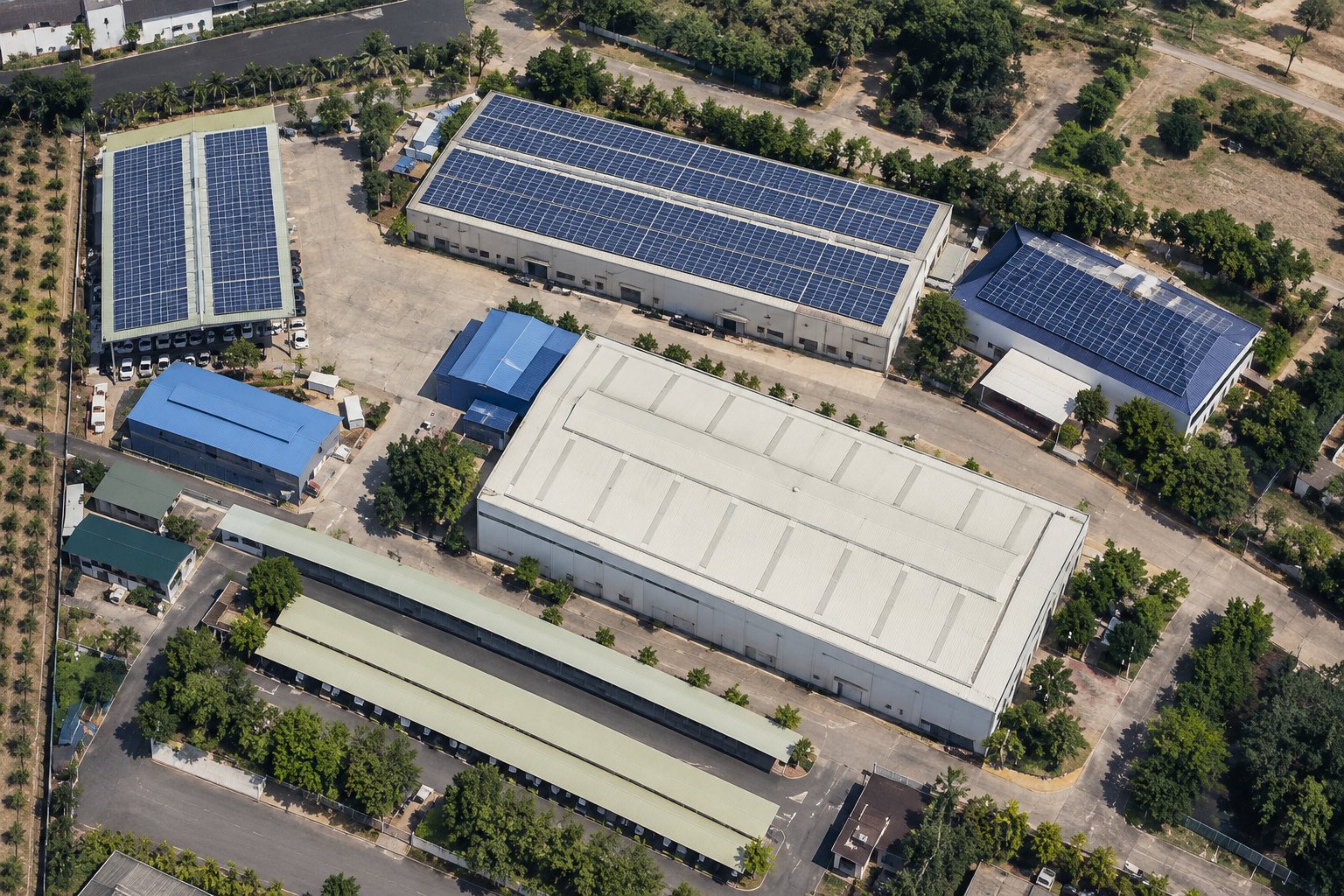
PTT Group - GCME Peak Energy’s rooftop solar project: |
A 30-minute PPA options assessment provides a starting point for your finance and energy teams. A Peak Energy specialist reviews your sites, electricity use and market to discuss which structures warrant further evaluation and where additional analysis is needed before approval.
To discuss the options for your operations, arrange a 30-minute PPA options assessment with our team. The conversation is an initial screening; any proposed structure remains subject to detailed financial, legal and Scope 2 review.